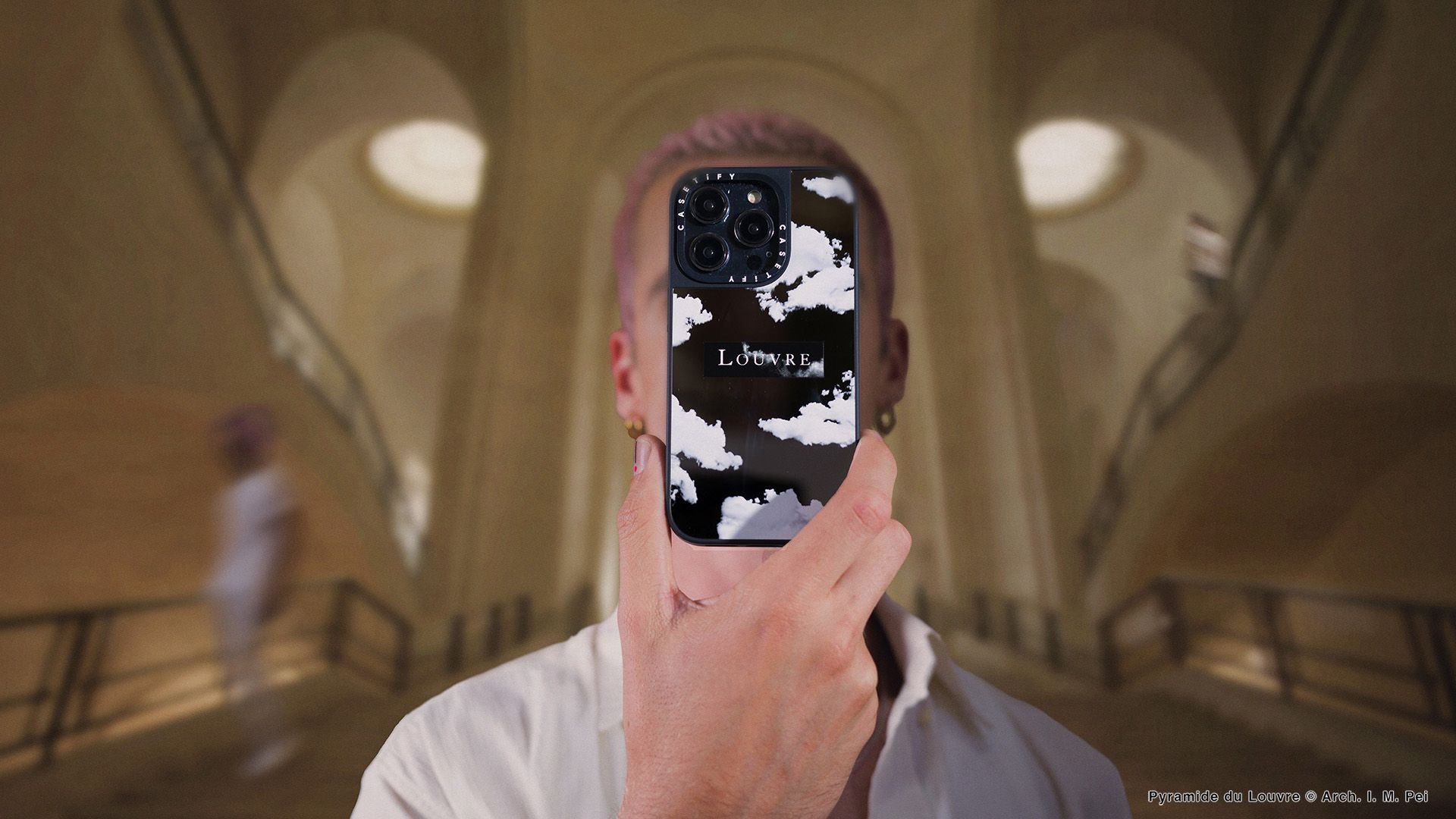
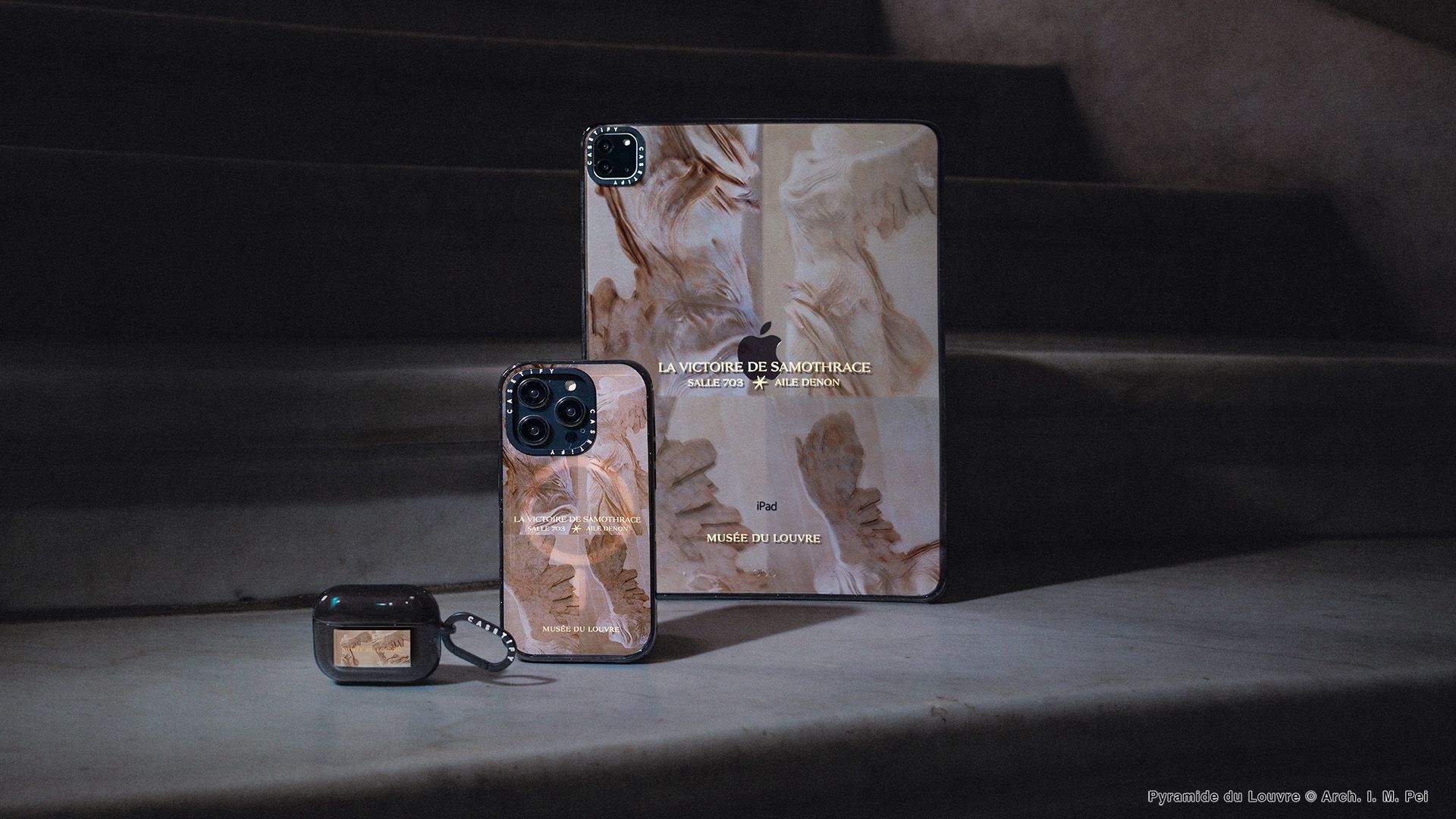
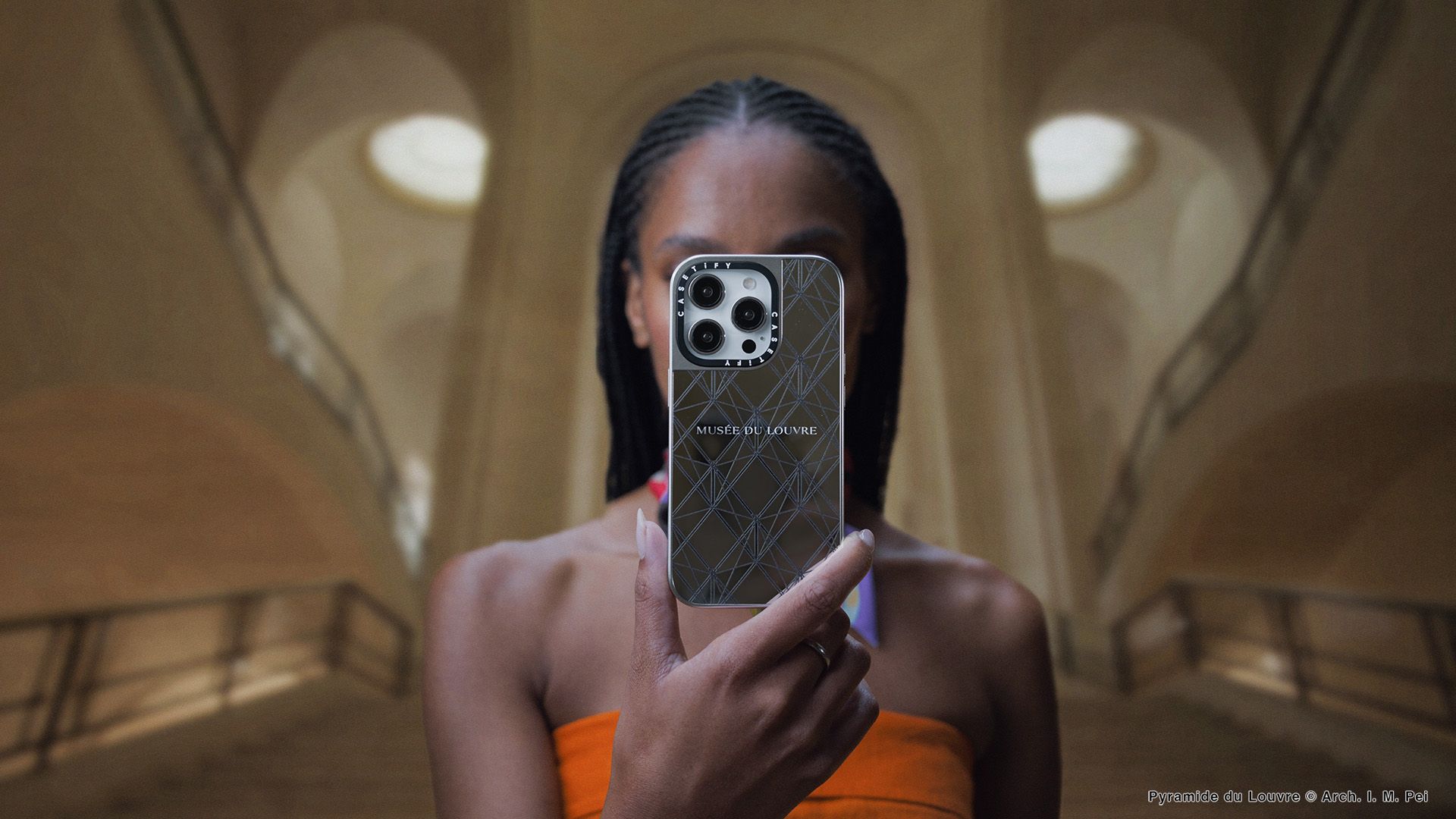
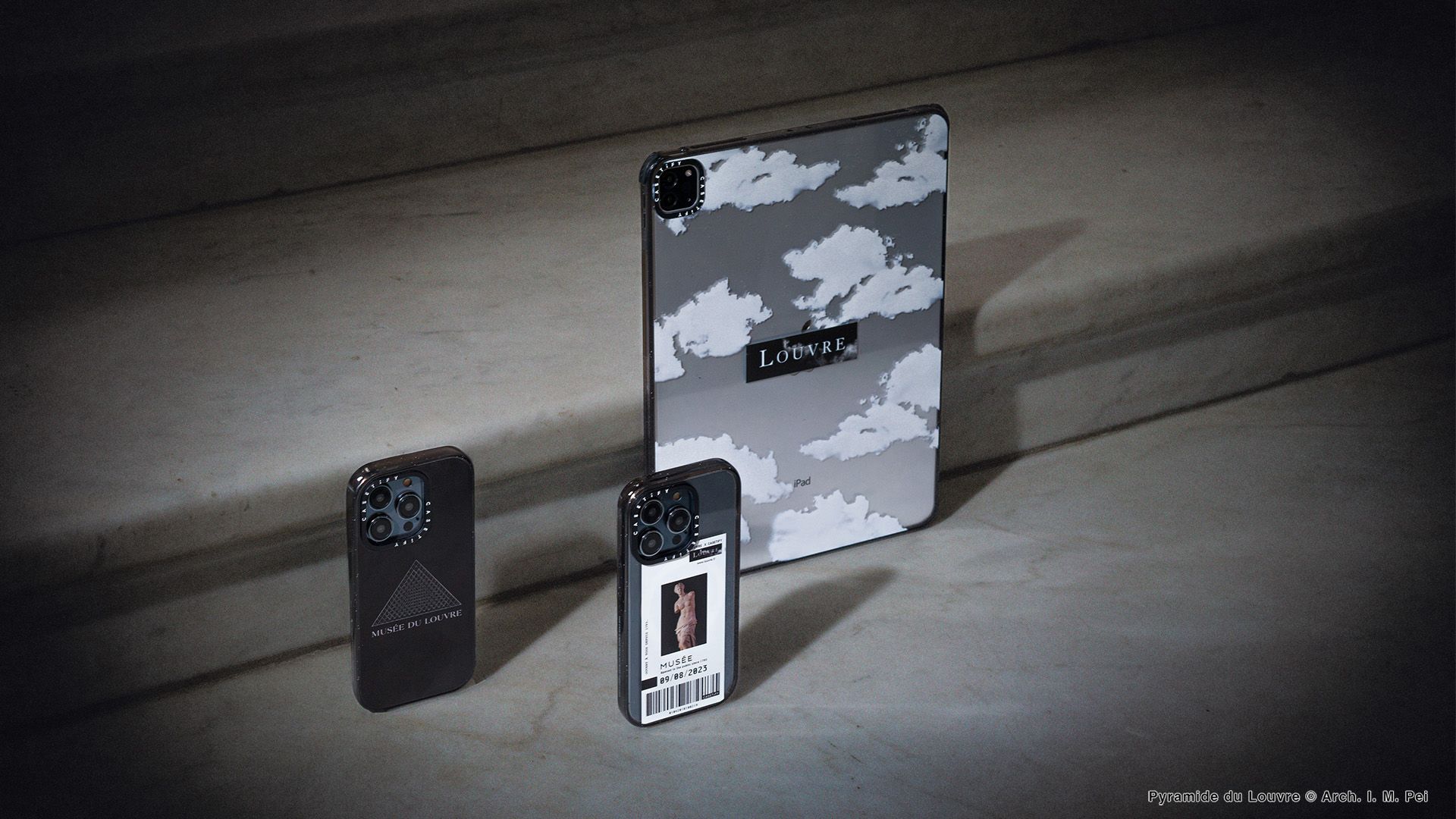
Louvre Nuage MacBook Case
By casetagram
macbook-pro-13-2020
macbook-impact-case
Color: Black
- ¥629



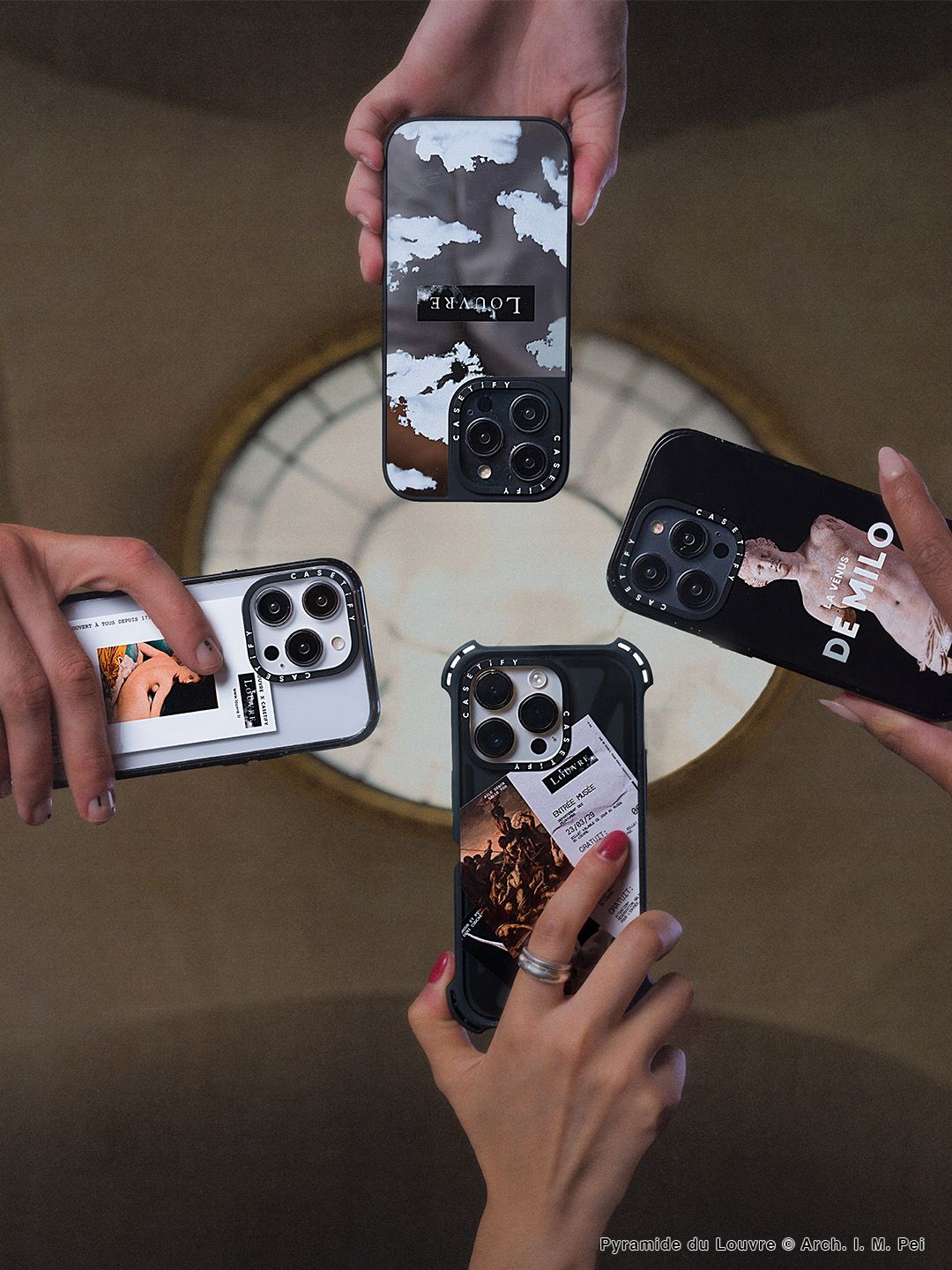
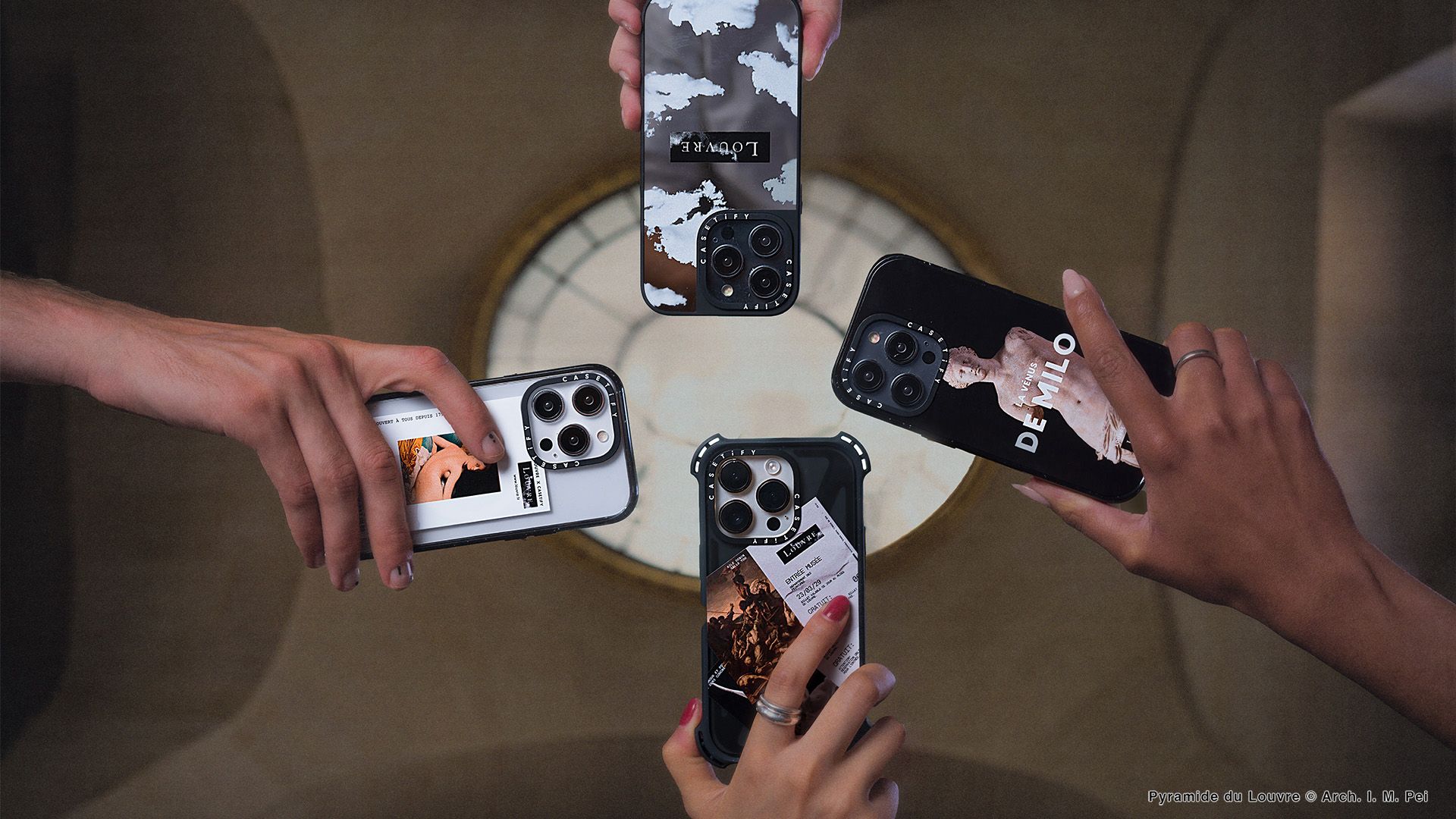
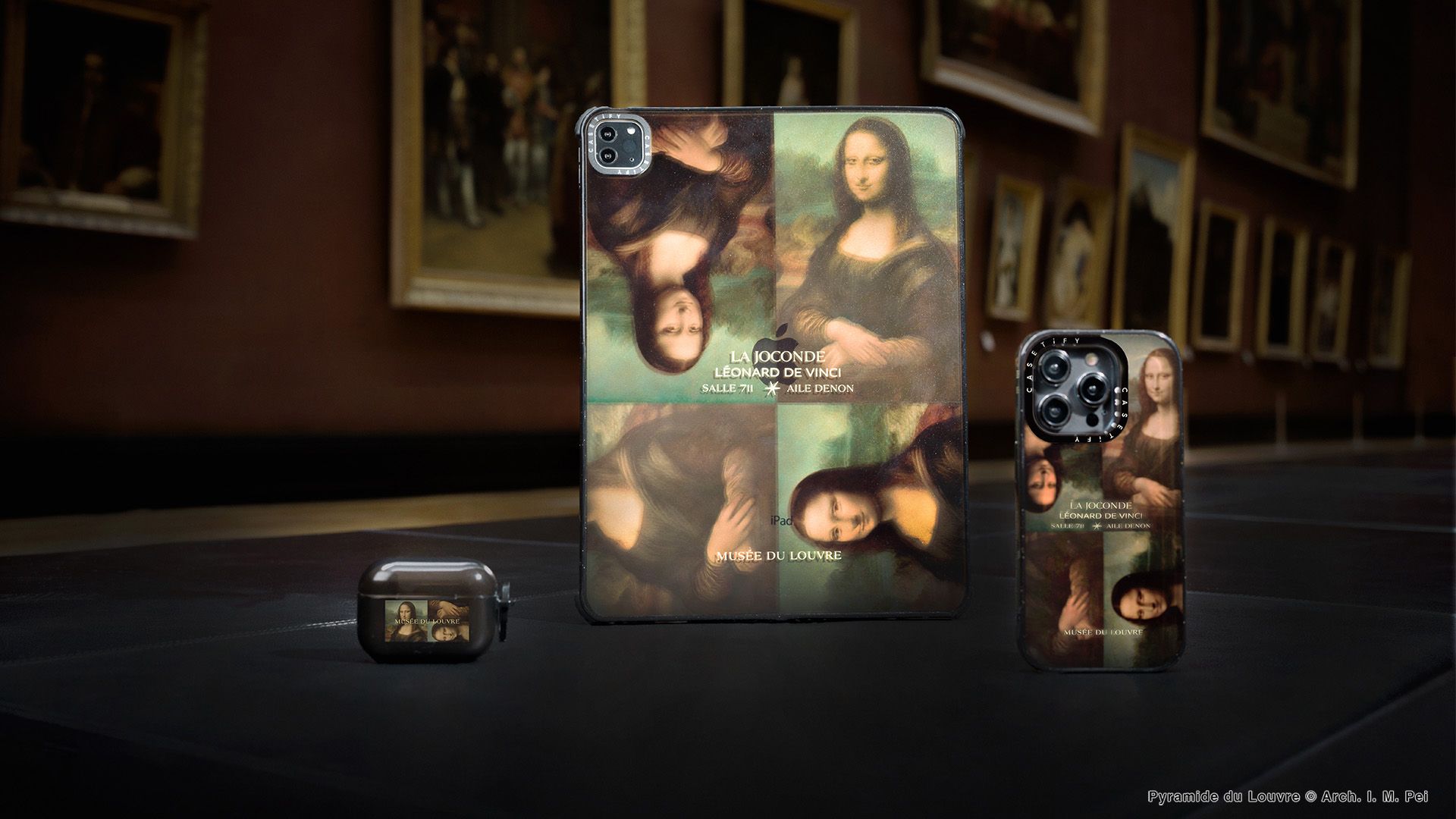
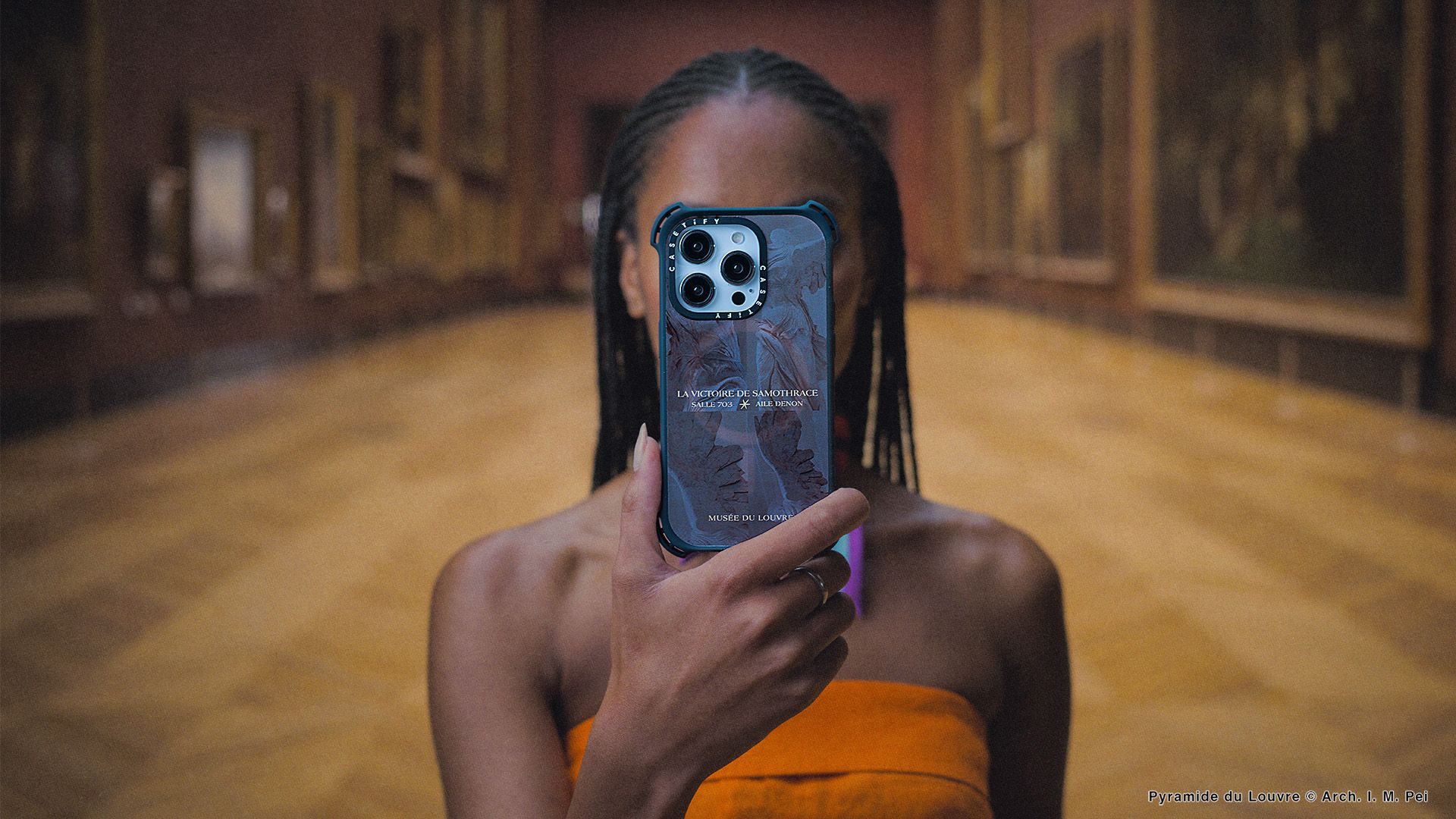
Taking inspiration from the global impact and cultural influence of the Louvre, the new Louvre x CASETiFY collection includes a modern interpretation of the most celebrated artworks in the world, taking you on an imaginative tour through the museum's galleries.
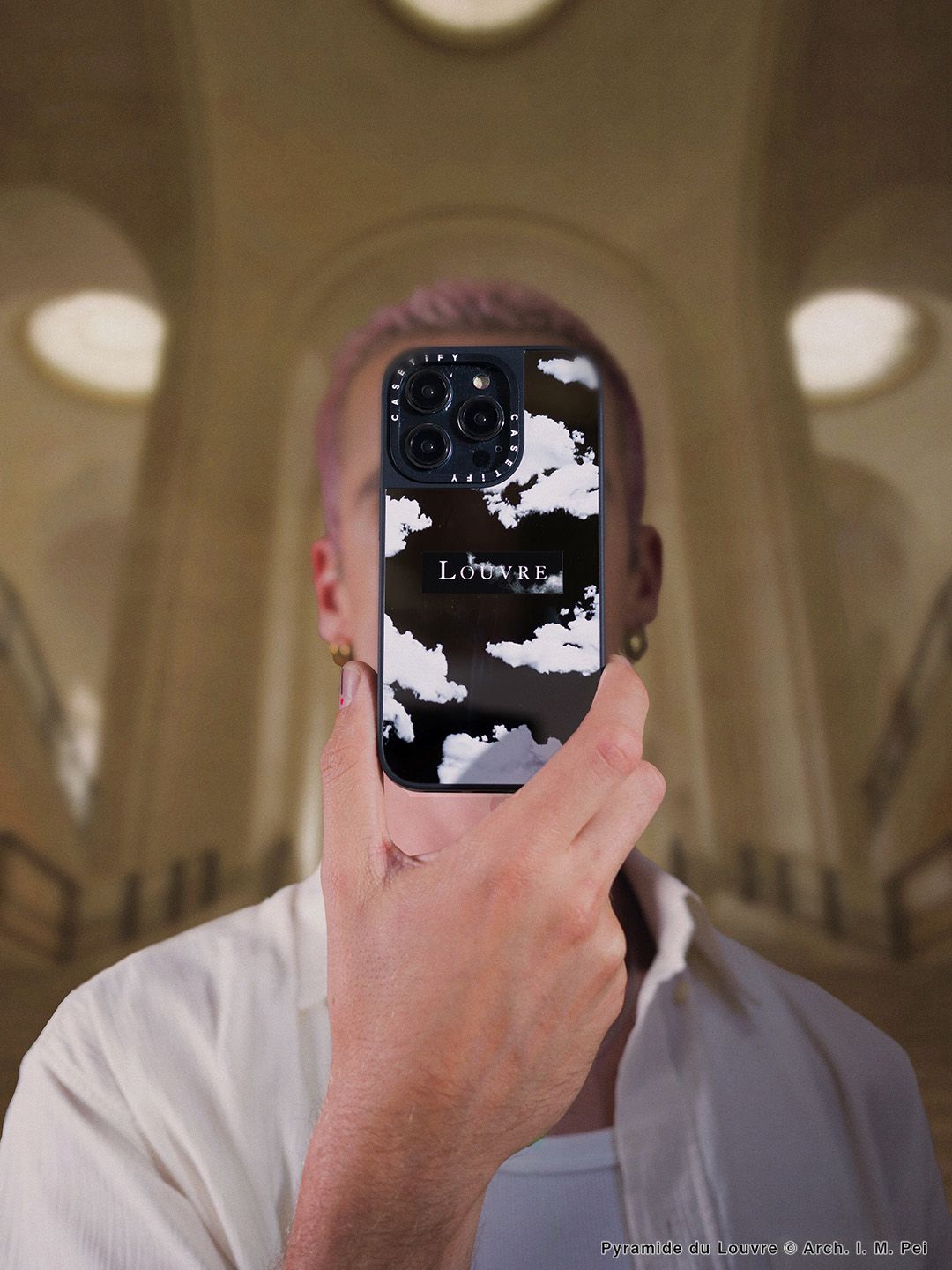
The Louvre is back with all-new designs to protect your tech while showcasing the world's greatest at the same time. The high-anticipated collection pays homage to the world-class architecture and artistic wonders.
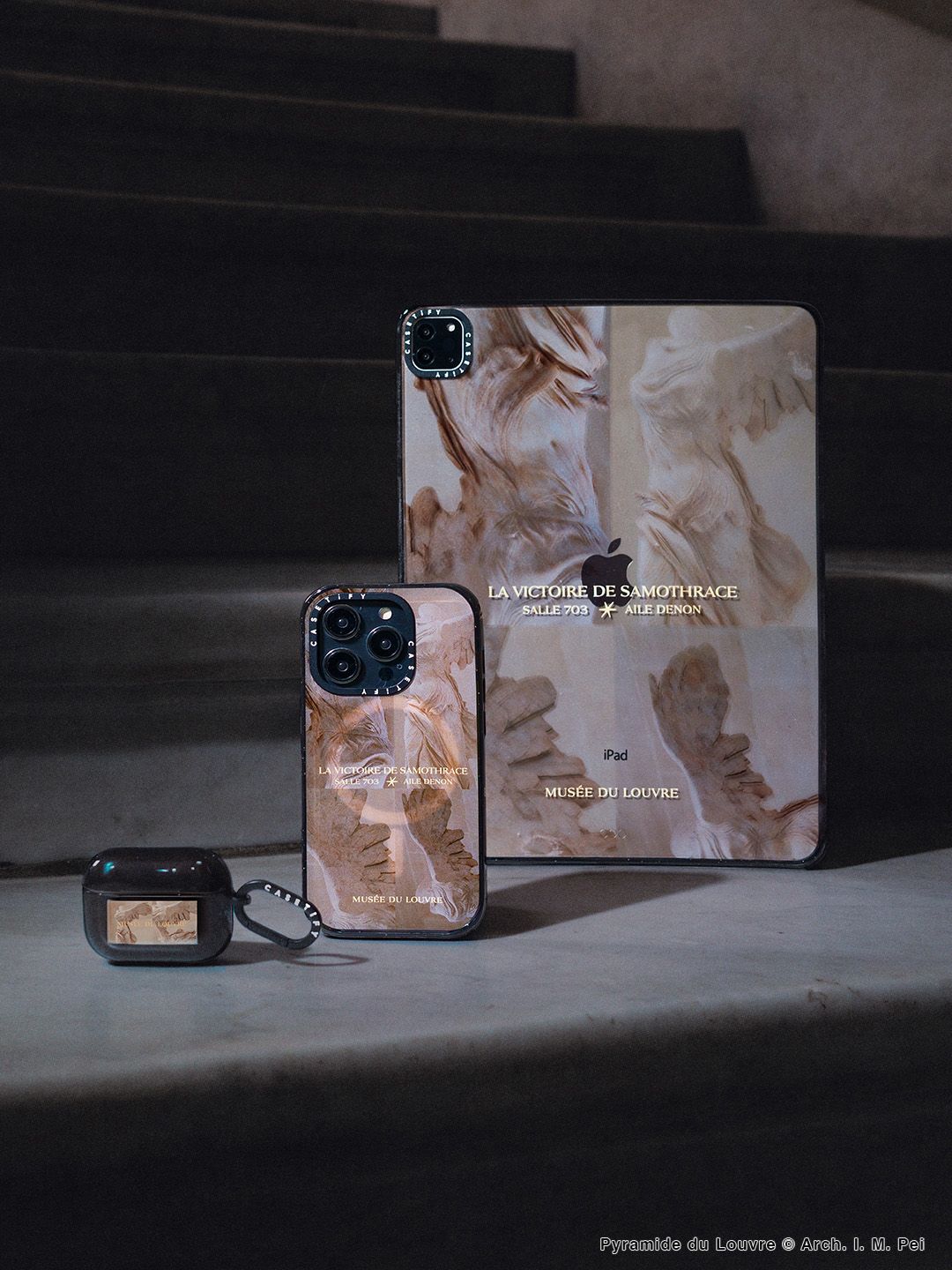
Discover artful tech accessories inspired by the Louvre’s iconic architecture, paintings, and sculptures. The collaboration features a curated selection of the Louvre's most treasured masterpieces.
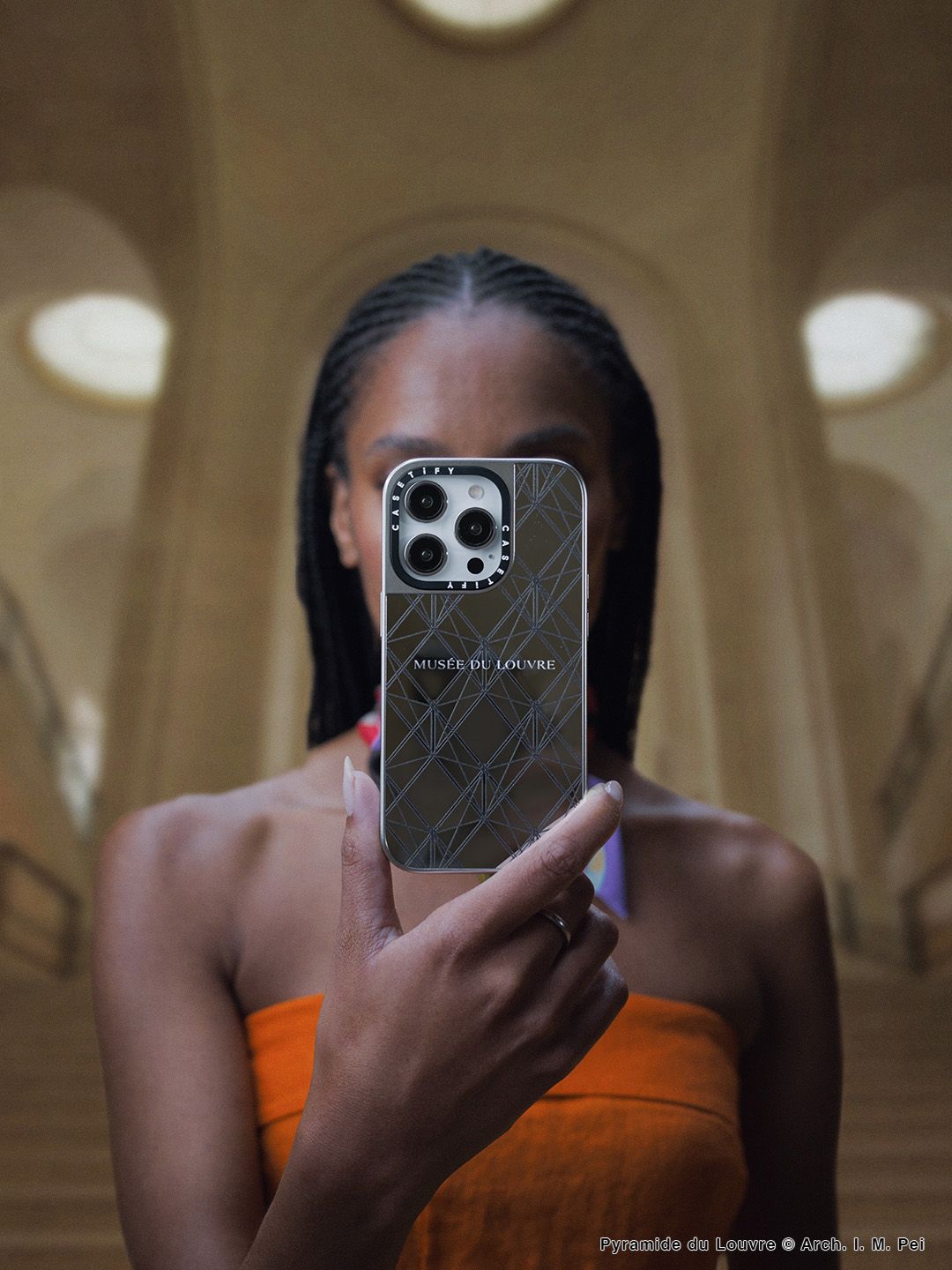
Showcase the Louvre Pyramid on your phone. The mesmerizing grid design zooms in on the tiniest details of the glass structure and its rhombus panes.
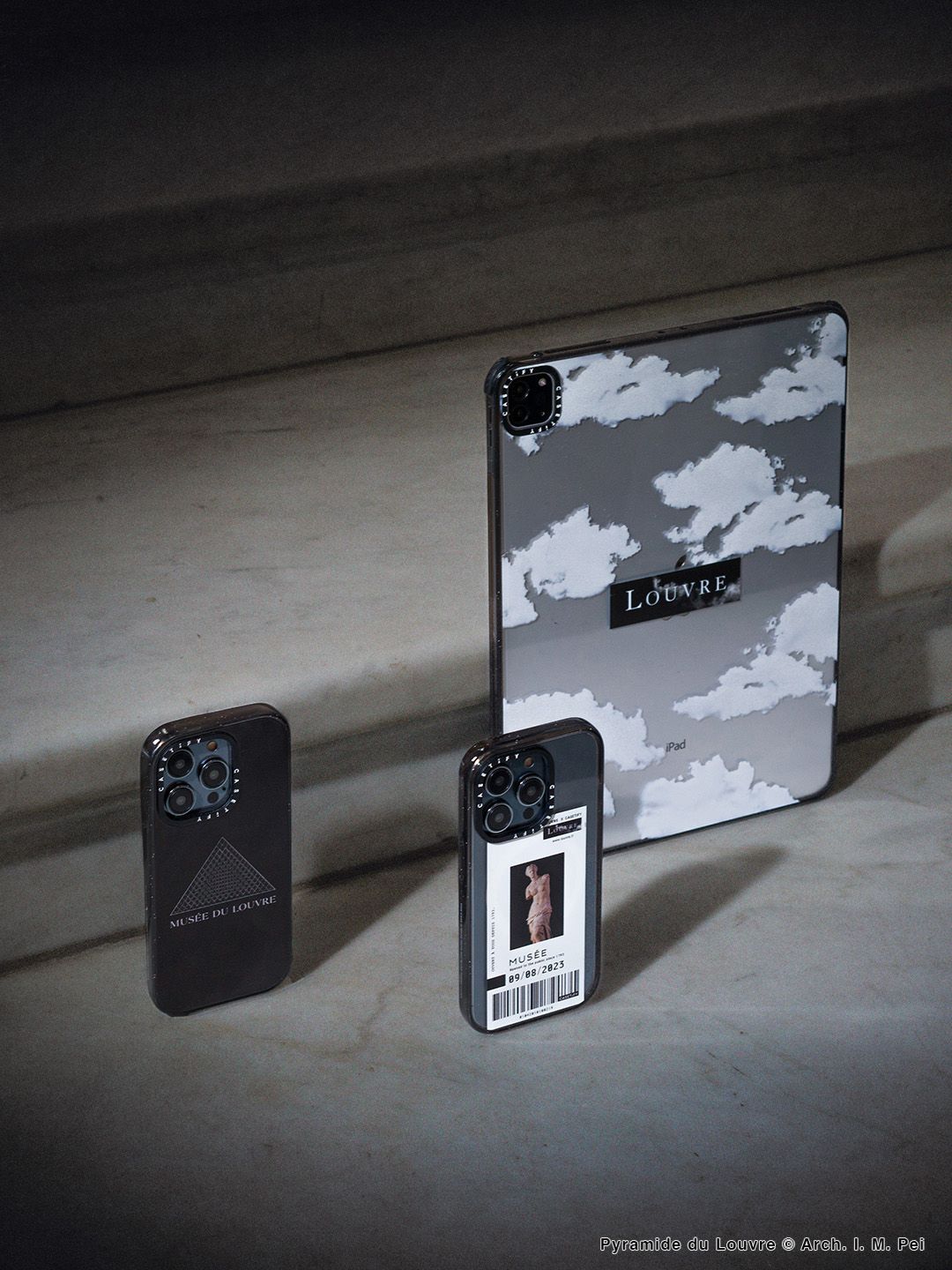
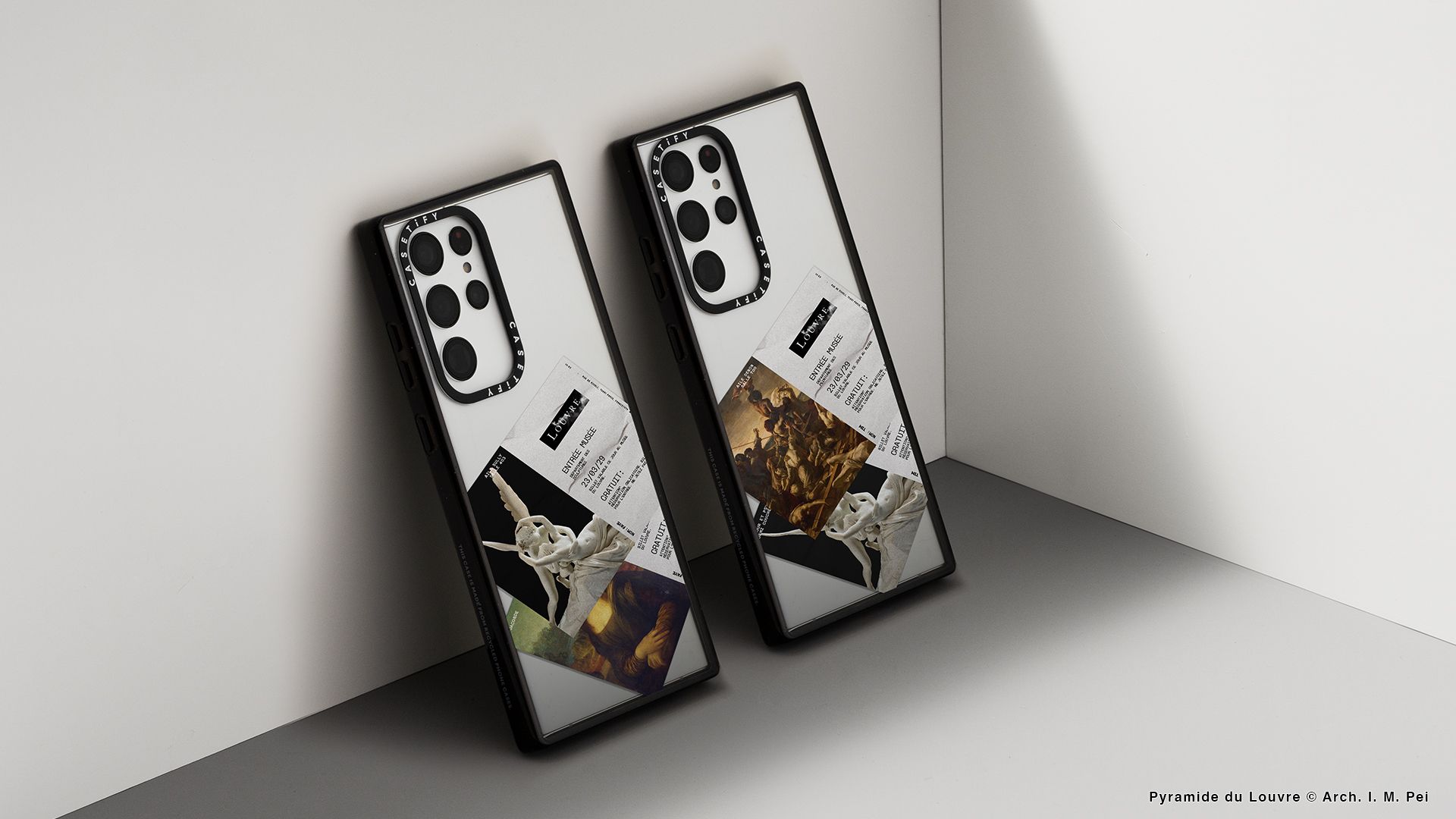
Personalize "Le Billet", an imaginary Louvre’s entrance ticket, with your name and let this piece of memorabilia take you on new journeys of imagination taking inspiration from the Mona Lisa, the Winged Victory of Samothrace, and more.
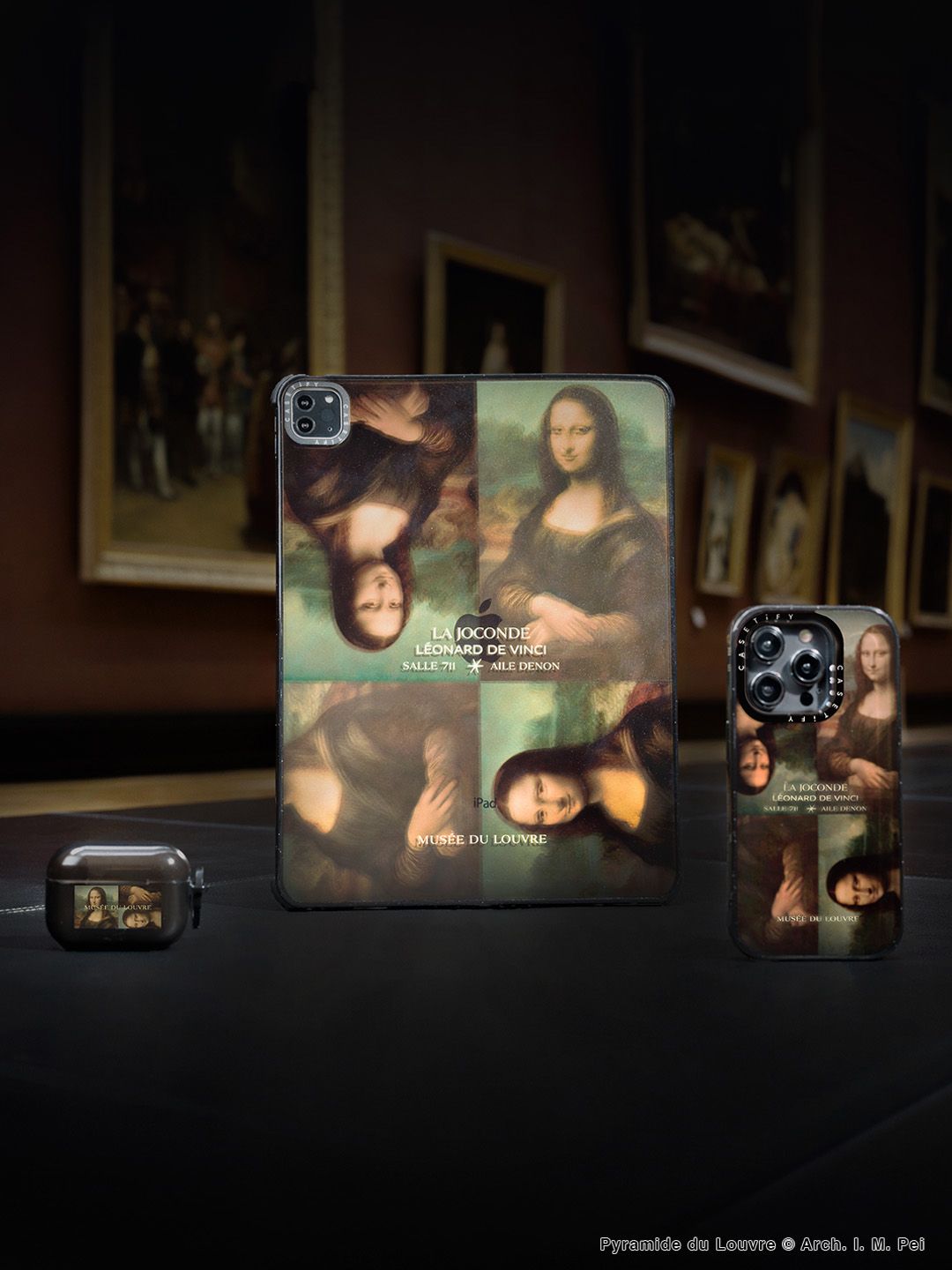
Painted against a distant landscape, Lisa Gherardini, wife of the Florentine silk merchant, stares out at us with her famously enigmatic smile. What makes it more special is Leonardo da Vinci’s sfumato technique to create a ‘smoky’ effect with subtle contours and contrasts. The world’s most famous painting needs a big space to welcome its many admirers and that's why it is housed in the Salle des États.
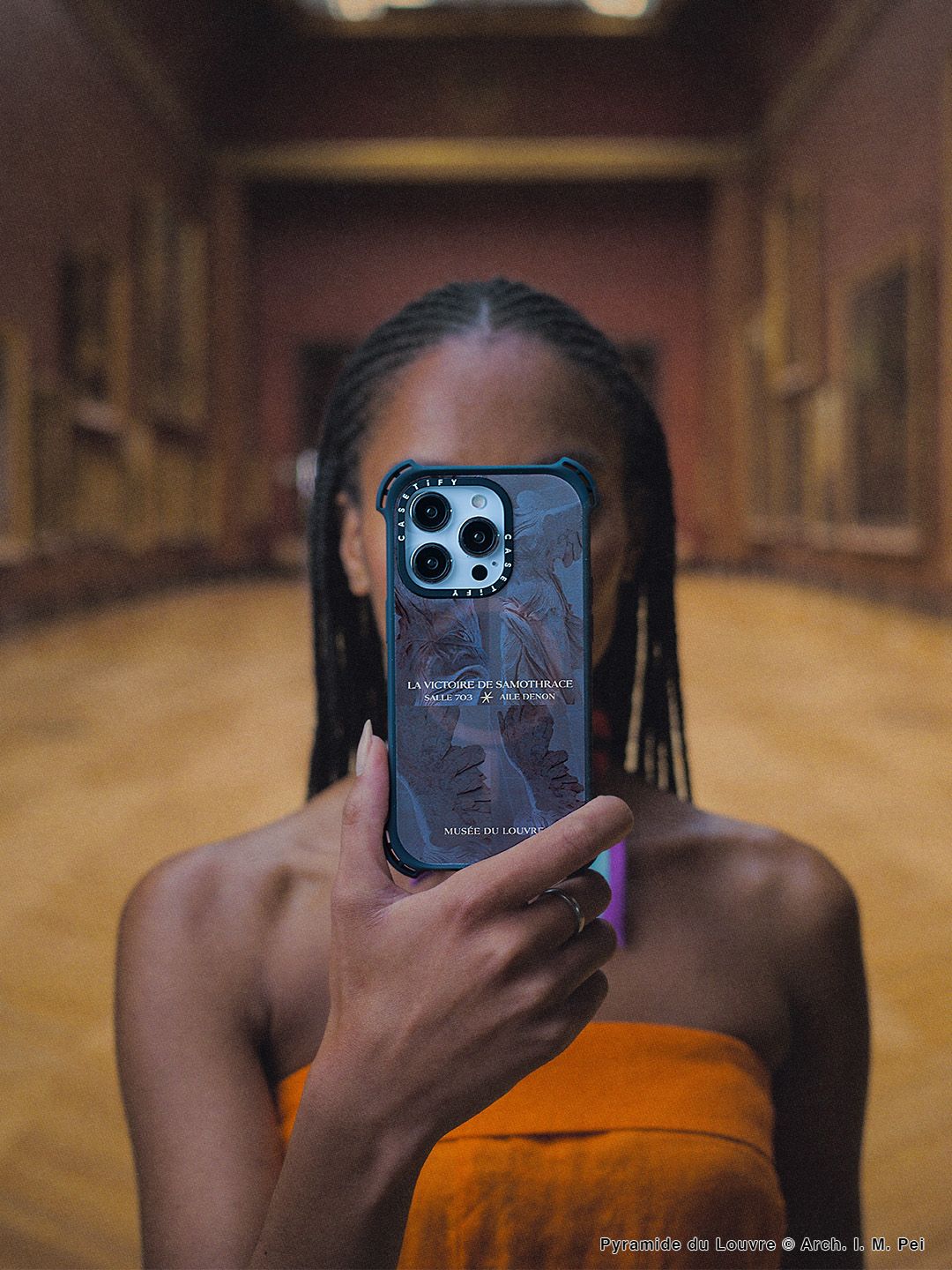
It is one of the rare Greek statues that was made as an offering to the gods on the Greek island of Samothrace. She now adorns the top of the Daru staircase in the Museum to showcase the masterpiece of Greek Hellenistic art. Ancient sculpture meets modern architecture in one of the most emblematic spots of the museum.
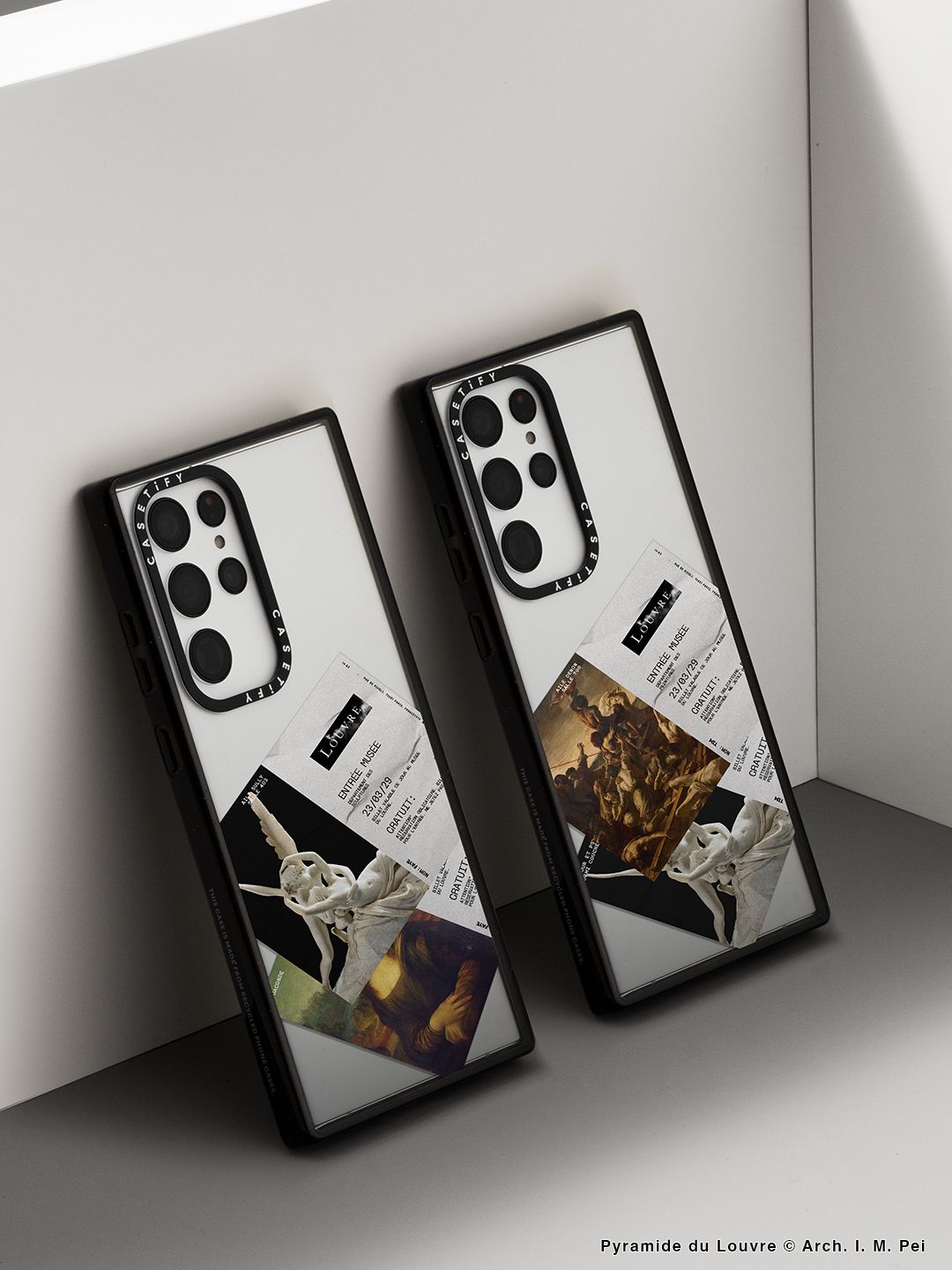
This painting by Gericault, considered as the manifesto of the Romantic School, reinterprets the canons of history painting through the treatment of actuality: in 1816, a French frigate sunk off the coast of Senegal because of the incompetence of its commander. The painting blends a macabre register - the shipwrecked seamen die or plunge into madness - and the lyricism of hope: a mulatto mounted on a barrel waves to a boat in the horizon.
This twelve tons sphinx, perfectly polished and punctuated by details of a great precision, was exhumed in 1825 from the ruins of the temple of Amun-Ra in Tanis. With a lion's body and a human head, the sphinx is a sovereign creature, ruthless to dissenters and protector of the righteous. The Pharaoh gains, through this depiction, a divine dimension.
This sculpture shows the mythological lovers in a moment of high emotion. It exemplifies Antonio Canova’s craftsmanship and skills in carving marble which provides a superb contrast between the smooth skin of Psyche and Cupid as compared to the surrounding elements. Situated in the Michelangelo gallery, the natural light from the large windows of the gallery brings the sculpture to life.
This astonishing clock by Jean-Joseph de Saint-Germain is designed as a superposition of different elements: a base containing a carillon, a rococo terrace in gilt bronze supporting a rhinoceros in patinated bronze, a circular case, a young Indian in gilt bronze. The figures of the rhinoceros and the elephant appear to have been the object of a singular predilection. One can imagine the exotic side of these animals in the 17th century, and the arrival in Paris in 1749 of a real rhinoceros undoubtedly heightened the curiosity of Europeans.
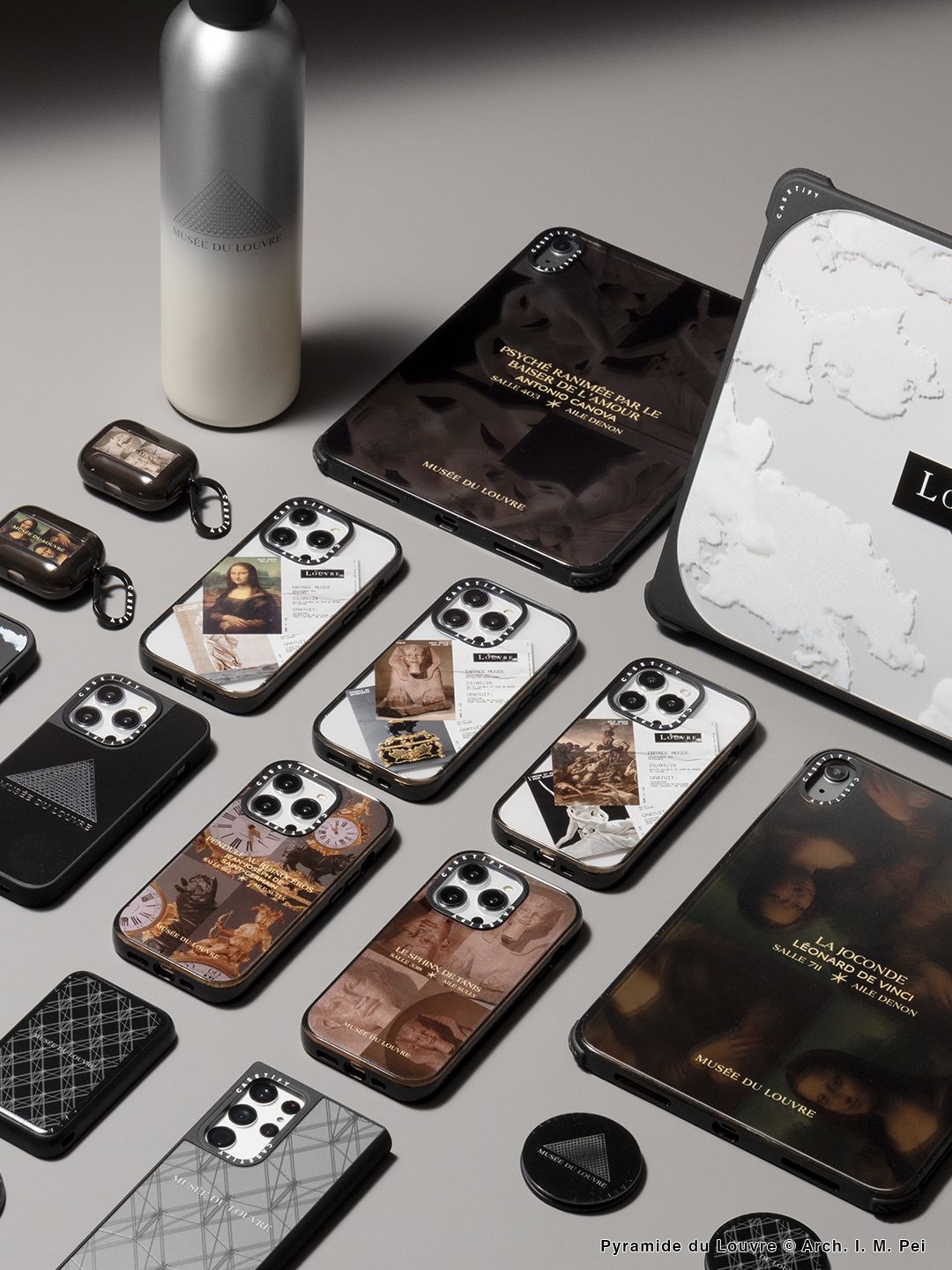
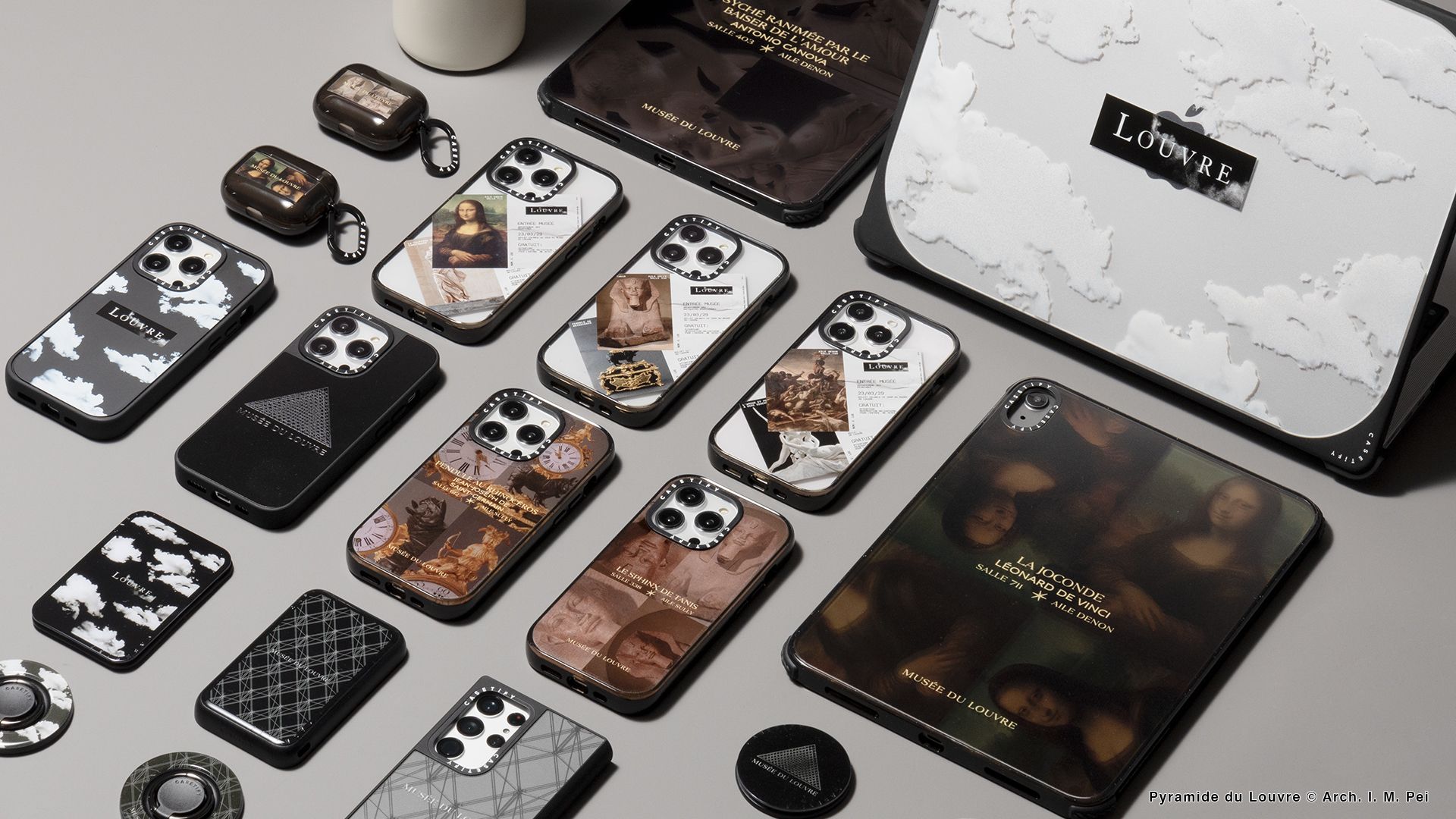
Exclusive collection will only be available at selected retail stores while stocks last.
Find your nearest CASETiFY Studio
to purchase.

Download CASETiFY Co-Lab App and
turn on Push Notifications to receive
App exclusive news!
Make sure you don't miss out!